How Developer Flexibility is Supporting UAE Property Buyers
UAE Developers Introduce Flexible Payment Options Amid Market Uncertainty
Dubai’s real estate sector has long been recognized for its resilience and ability to adapt to changing global conditions. In 2026, this adaptability is once again evident as developers across the UAE introduce more flexible payment solutions aimed at supporting investors and end-users navigating financial uncertainty.
As economic pressures—from global inflation trends to shifting interest rates—continue to influence buyer sentiment, developers are responding with a more measured and supportive approach to property financing.
One of the most notable developments in recent months is the introduction of payment deferment options. These allow eligible buyers to temporarily pause or restructure their instalment schedules when facing short-term financial constraints.
Unlike broad policy changes, these deferments are typically handled on a case-by-case basis. Developers assess individual circumstances before granting adjustments, ensuring that support is extended where genuinely needed while maintaining financial discipline across projects.
This approach reflects a shift from rigid enforcement toward collaborative problem-solving between developers and buyers.
While flexibility is increasing, developers remain cautious about preserving the long-term stability of the market. Industry stakeholders have emphasized that these measures are not intended to encourage delayed commitments, but rather to provide temporary relief without compromising project timelines.
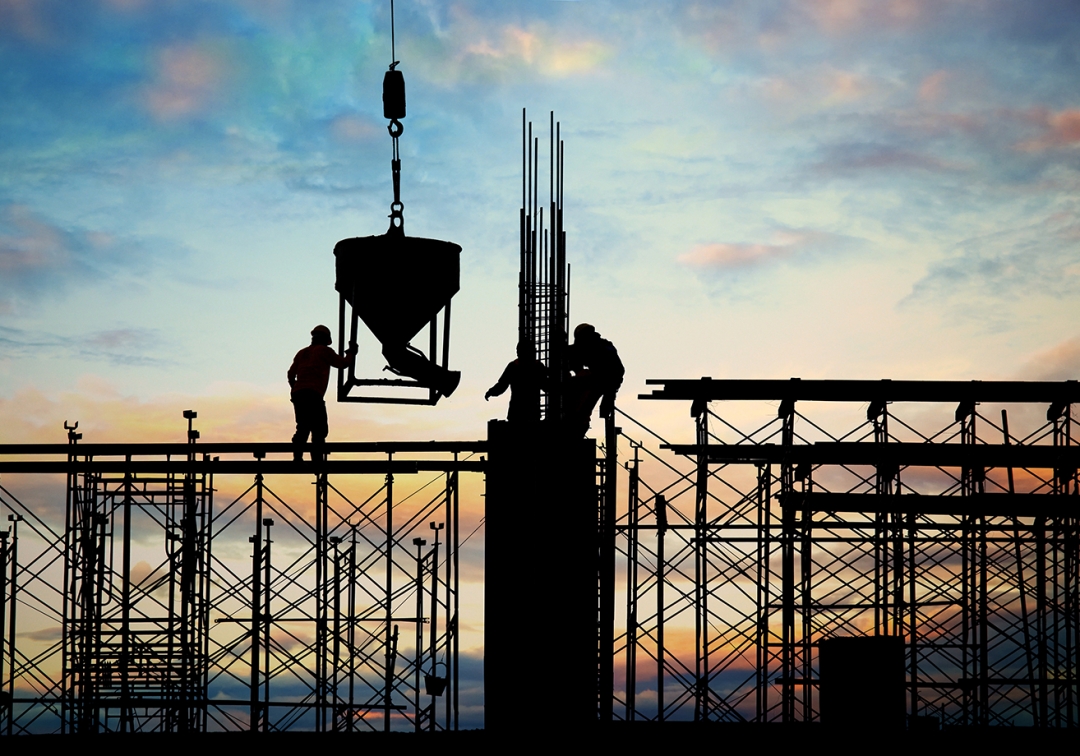
Construction across major developments in Dubai continues to progress as scheduled, supported by strong fundamentals such as population growth, investor demand, and government-backed regulations.
This balance is critical. By maintaining construction momentum while offering selective flexibility, developers help ensure that confidence in the market remains intact.
Beyond deferments, the UAE real estate sector is witnessing a broader transformation in how property purchases are structured. Developers are increasingly offering innovative and investor-friendly payment plans, including:
- Construction-Linked Plans (70/30 or 80/20)
Buyers pay a percentage during construction, with the remaining balance due upon completion.
- Post-Handover Payment Options
A portion of the property price is paid after the unit is handed over, easing immediate financial pressure.
- Extended Payment Durations
Some developers are lengthening payment periods to make instalments more manageable.
- Lower Initial Down Payments
Select projects are offering reduced entry points to attract a wider pool of investors.
These evolving structures are designed to align more closely with real-world financial conditions, allowing buyers to participate in the market without overextending their resources.
Why Developers Are Adapting?
The shift toward flexible payment solutions is driven by several key factors:
- Global Economic Conditions
Fluctuations in global markets and interest rates have influenced buyer liquidity and borrowing capacity.
- Increased Market Competition
With a growing number of new developments, developers are introducing more attractive terms to remain competitive.
- Investor Retention
Supporting existing buyers through temporary challenges helps maintain long-term relationships and reduces default risks.
- Regulatory Environment
The UAE’s strong regulatory framework encourages sustainable practices, ensuring that flexibility does not come at the cost of market integrity.
For investors, these developments present a range of opportunities, but also require careful consideration.
Advantages include:
- Improved cash flow management through flexible instalment schedules
- Greater accessibility to property ownership
- Enhanced confidence in a market that actively supports its investors
However, considerations remain:
- Not all buyers will qualify for deferment options
- Terms and conditions vary significantly between developers and projects
- Long-term financial planning is still essential to avoid overcommitment
As such, understanding the details of each payment structure is crucial before making an investment decision.
The introduction of flexible payment solutions signals a broader evolution within Dubai’s real estate sector. Rather than relying solely on rapid growth, the market is increasingly focused on
sustainability, investor protection, and long-term stability.
This maturity is reflected in the willingness of developers to adapt without compromising core fundamentals such as project delivery, quality, and regulatory compliance.
As the global economic landscape continues to shift, flexibility is likely to remain a defining feature of the UAE property market. Developers who can balance innovation with discipline will play a key role in shaping the next phase of growth.
For buyers and investors, this environment offers a unique window of opportunity—one where strategic decision-making, supported by evolving payment solutions, can lead to long-term value.
Dubai’s real estate market continues to demonstrate that resilience is not just about stability, but about
adaptability. The introduction of payment deferments and flexible plans highlights a sector that is responsive, forward-thinking, and aligned with investor needs.
In uncertain times, such measures do more than provide relief—they reinforce confidence in one of the world’s most dynamic property markets.